
How to Install Your Own Flooring: A DIY Guide


Getting Started with Your DIY Flooring Project
Installing your own flooring can be a rewarding project that enhances the beauty and value of your home. Whether you're updating a single room or your entire house, this guide will walk you through the essential steps. With the right tools and preparation, you can achieve professional results without the hefty price tag.
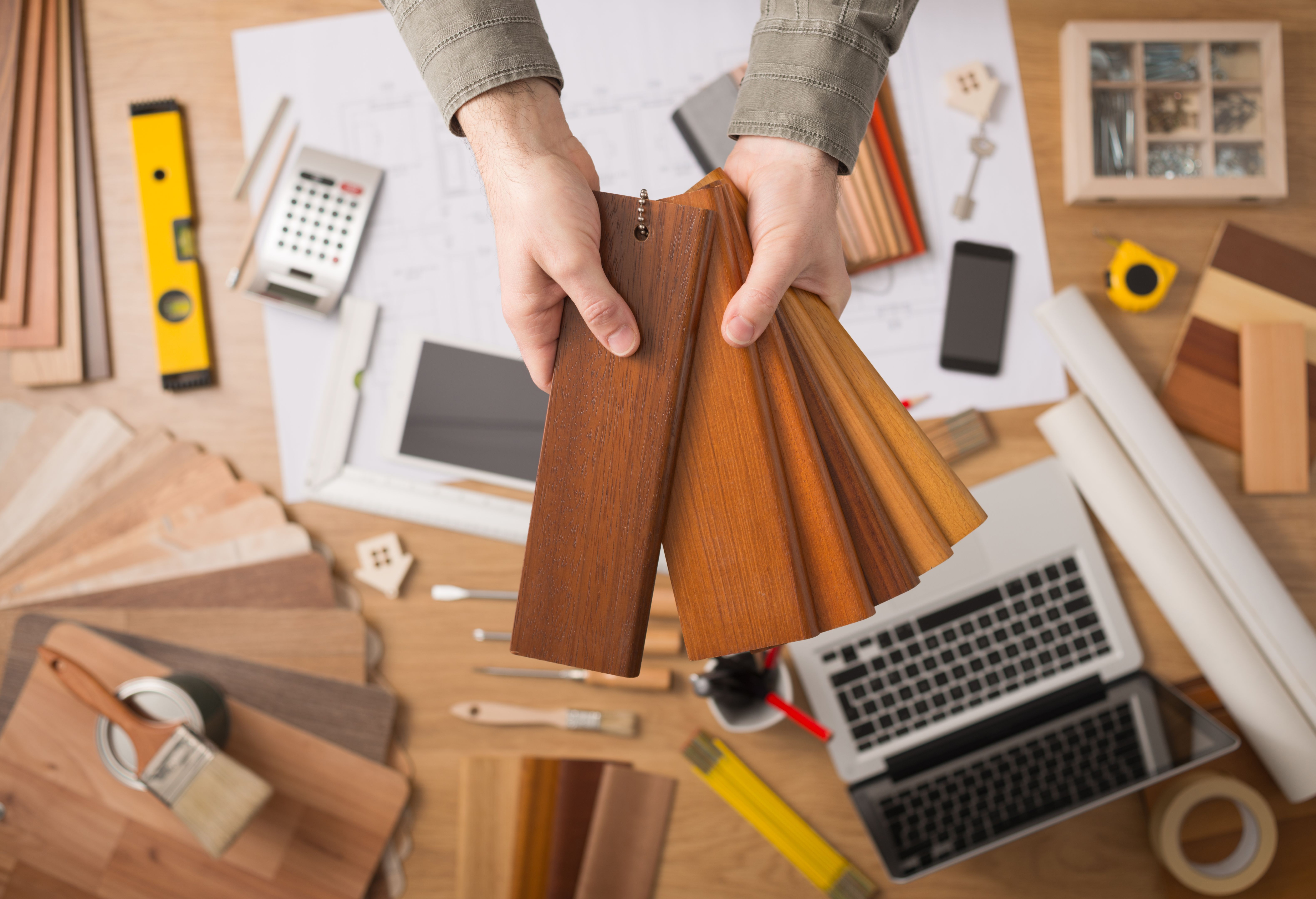
Before diving into the installation, it's crucial to choose the right type of flooring for your space. Consider factors like foot traffic, moisture levels, and your budget. Popular options include hardwood, laminate, vinyl, and tile, each offering unique benefits.
Preparing Your Space
Proper preparation is key to a successful flooring installation. Start by removing all furniture and existing flooring materials. Make sure your subfloor is clean, dry, and level. If necessary, use a leveling compound to address any uneven areas. This step ensures a smooth surface for the new flooring.
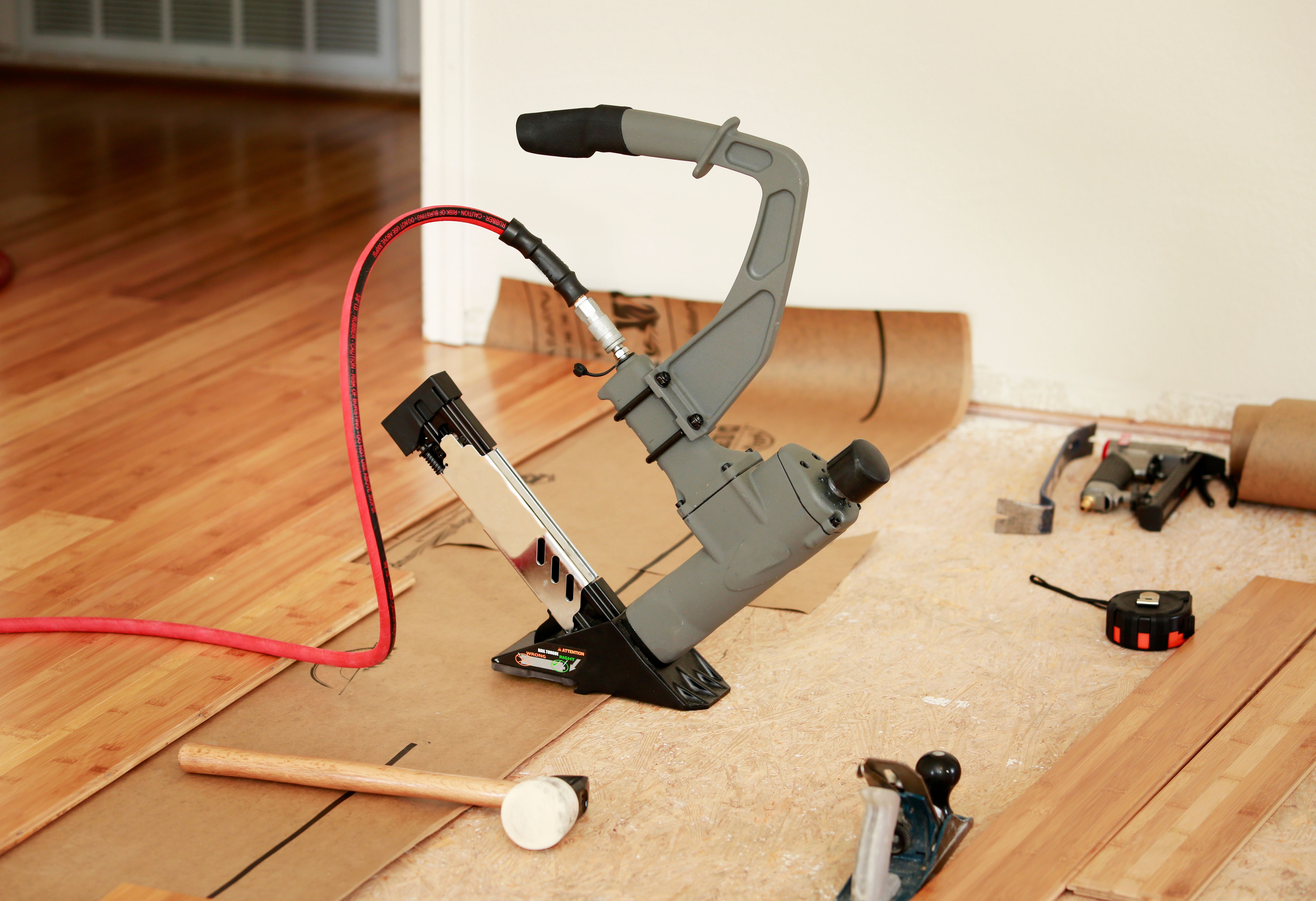
Next, gather the tools you’ll need: a tape measure, utility knife, saw (circular or jigsaw), spacers, and a rubber mallet. Having everything at hand will streamline the installation process and reduce interruptions.
Installing the Flooring
Once your space is prepared, you can begin the installation. Follow these basic steps for most flooring types:
- Acclimate the flooring: Let the new flooring material sit in the room for 48 hours to adjust to the temperature and humidity.
- Start laying the flooring from one corner of the room, using spacers to maintain a consistent gap between the flooring and the wall.
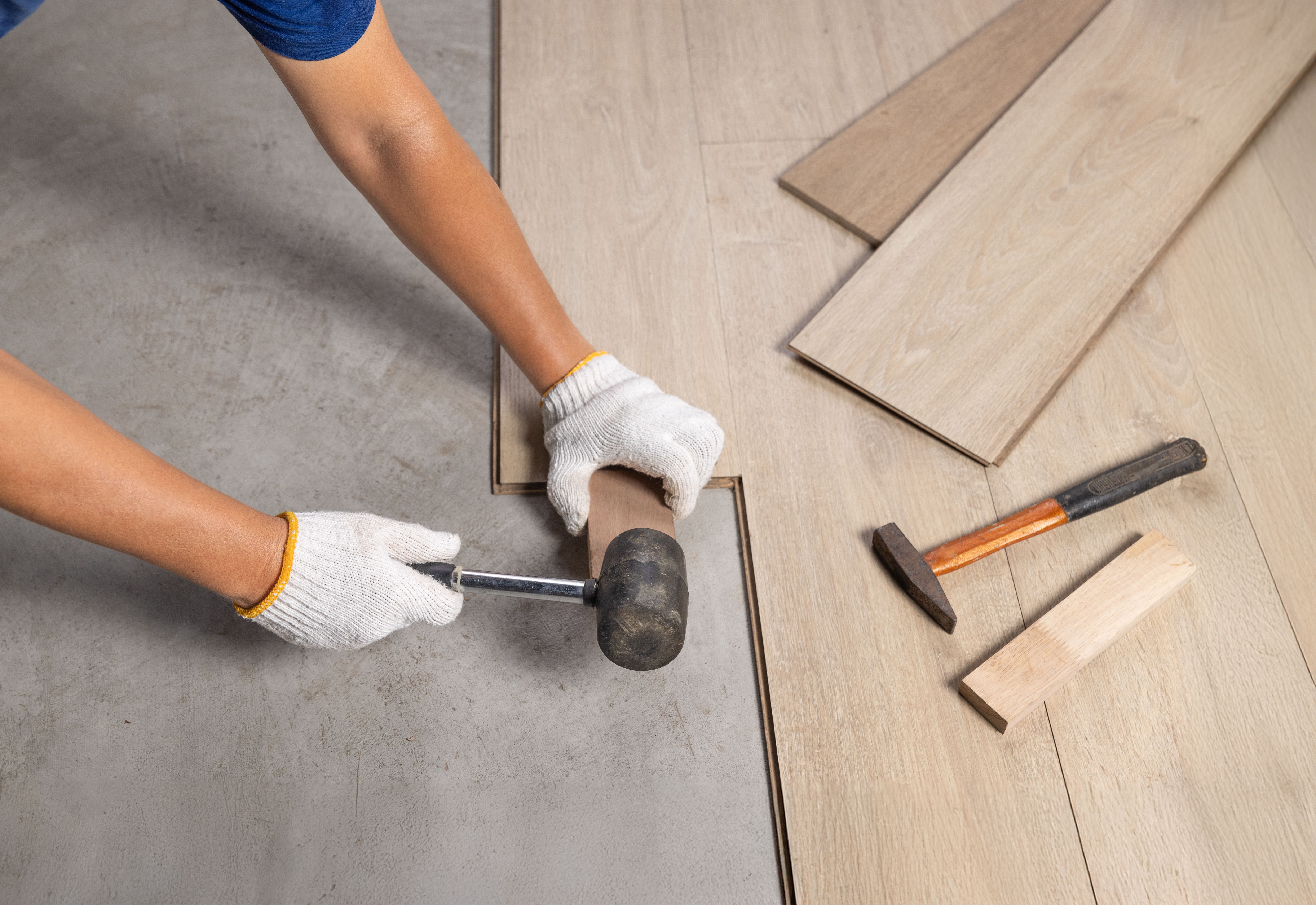
- Use a rubber mallet and tapping block to gently lock pieces into place, ensuring a snug fit.
Finishing Touches
After you've laid all the flooring, remove the spacers and install baseboards or trim to cover the expansion gaps. This not only adds a polished look but also protects the edges of your flooring.
Clean the new floor with a suitable cleaner to remove any dust or debris from the installation process. This ensures your floor looks its best and is ready for use.
Maintenance Tips
To keep your new floor in top condition, follow these maintenance tips:
- Regularly sweep or vacuum to remove dirt and debris.
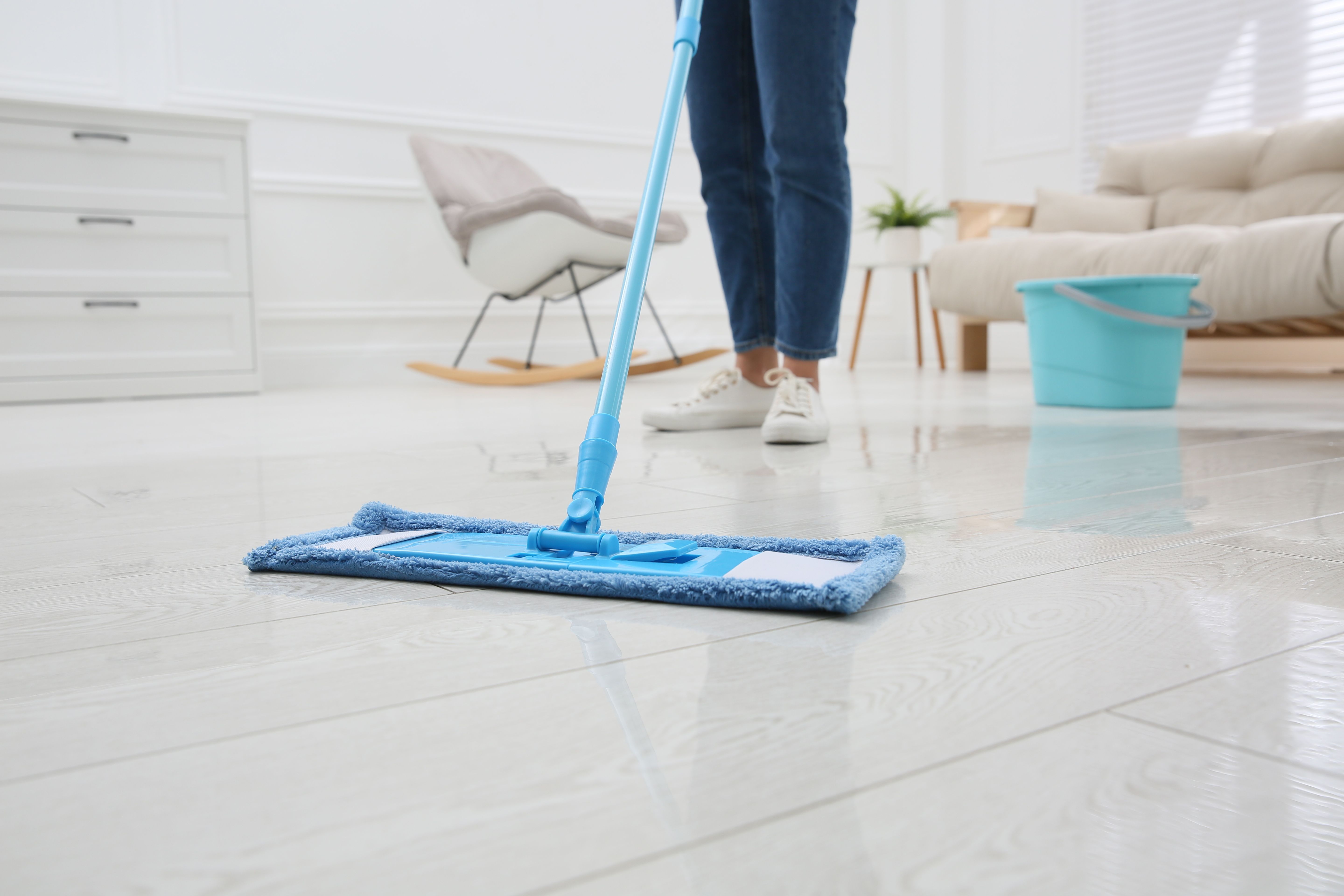
- Use a damp mop with a cleaner appropriate for your flooring type.
- Place mats at entryways to minimize dirt tracking.
By following these guidelines, you'll enjoy your new flooring for years to come. Happy DIY-ing!